


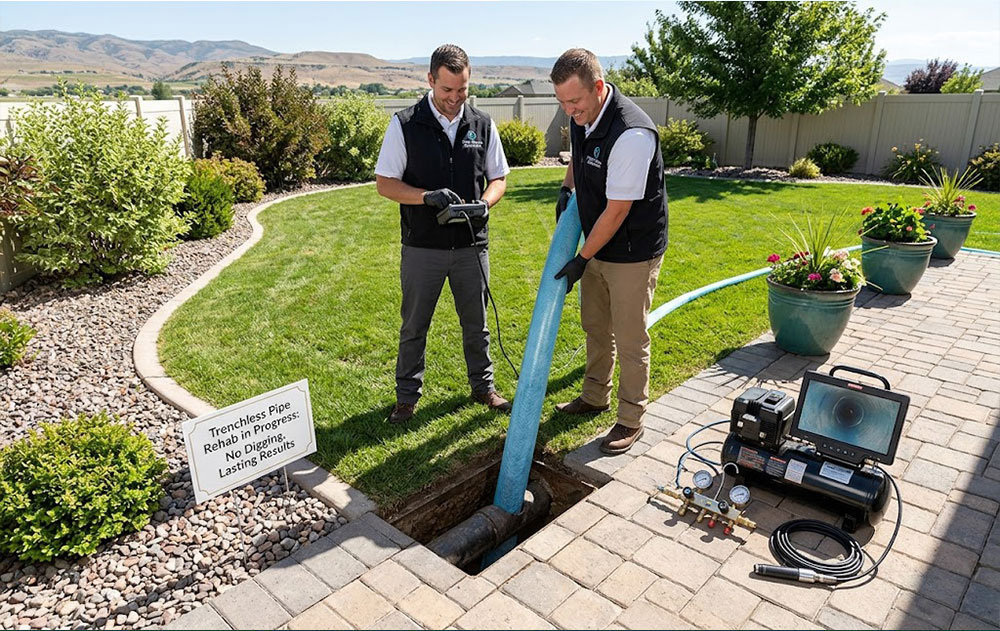
12 May Fixing Underground Pipes Without the Mess: A Guide to Structural Pipe Lining
Dealing with a broken or leaking underground pipe used to mean tearing up your yard, driveway, or landscaping. Property owners often faced weeks of disruption, heavy machinery noise, and hefty landscaping bills just to fix a single plumbing issue. Fortunately, modern technology has completely transformed how we approach plumbing restoration.
Today, advanced methods allow professionals to fix underground pipes from the inside out. Structural pipe lining is a highly effective method that restores the integrity of your plumbing without the need for destructive excavation. This approach saves time, protects your property, and provides a durable solution that can last for decades.
If you are facing a failing plumbing system, understanding how this process works can help you make an informed decision. Let us explore the mechanics of structural pipe lining, the technology behind it, and why it has become the preferred choice for property owners across Utah, Nevada, and the surrounding states.
What is Structural Pipe Lining?
Structural pipe lining, often referred to as cured-in-place pipe (CIPP) lining, is a modern plumbing technique used to repair damaged pipes. Instead of digging a massive trench to remove and replace the old pipe, technicians create a new pipe directly inside the existing one.
This process uses a flexible, resin-saturated felt tube. The tube is inserted into the damaged pipe, inflated, and allowed to harden. Once the resin cures, it forms a seamless, jointless, and incredibly strong pipe within a pipe. The new lining covers cracks, seals leaks, and smooths out the interior surface to restore proper water or waste flow.
The Step-by-Step Structural Pipe Lining Process
To fully appreciate the efficiency of no-dig sewer repair, it helps to understand the exact steps technicians take to restore your plumbing.
Step 1: Sewer Video Camera Inspection
Every successful project begins with a clear understanding of the problem. Technicians start by performing a thorough Sewer Video Camera Inspection. A high-definition camera is fed into the pipeline to identify the exact location and severity of cracks, root intrusions, blockages, or collapsed sections. This initial assessment determines if the pipe is a good candidate for lining or if another form of sewer repair is necessary.
Step 2: Cleaning and Clearing the Pipe
For the new resin liner to adhere properly, the inside of the old pipe must be completely clean. Professionals use highly pressurized water jets, a process known as hydro jetting, to blast away years of built-up grease, mineral deposits, and invasive tree roots. Specialized mechanical tools may also be used to scrape the pipe walls until they are smooth and ready for the installation.
Step 3: Measuring and Resin Preparation
Precision is critical in trenchless sewer repair. The technicians measure the exact length and diameter of the pipe section that needs fixing. They then cut a custom flexible liner made of felt or fiberglass. This liner is thoroughly saturated—or “wet out”—with a specialized two-part epoxy resin. The resin is carefully mixed to ensure it will cure properly once it is in place.
Step 4: Inserting the CIPP Liner
With the liner prepared, it is carefully pulled or inverted into the damaged pipe through an existing access point, like a cleanout. Because the material is flexible, it easily navigates bends and sweeps in the plumbing system. Once the liner is perfectly positioned over the damaged area, a calibration tube or an internal bladder is inflated inside it. The pressure forces the resin-soaked liner tightly against the walls of the old, broken pipe.
Step 5: The Curing Process
The curing stage is where the magic happens. Depending on the specific materials used and the environmental conditions, the epoxy resin is left to harden. Some technicians use ambient air to cure the resin, while others expedite the process by running hot water, steam, or UV light through the pipe. Once the curing is complete, the bladder is deflated and removed, leaving behind a rock-solid, structurally sound inner pipe.
Step 6: Final Video Inspection
Quality control is the final step. Technicians send the high-definition camera back down the newly lined pipe to verify the installation. They check to ensure the liner is smooth, perfectly sealed, and free of any defects. This final look guarantees that the sewer pipe lining will function flawlessly for years to come.
Why Property Owners Prefer Trenchless Sewer Repair
Choosing to fix a pipe from the inside offers several distinct advantages over traditional, excavation-heavy plumbing methods.
Preserves Your Landscaping and Hardscaping
The most obvious benefit of no-dig sewer repair is the protection of your property. Traditional repairs require heavy machinery to dig large trenches through gardens, driveways, sidewalks, and patios. Trenchless technology usually requires only one or two small access holes, keeping your beautiful landscaping completely intact.
Saves You Money
While the specialized equipment used for CIPP might seem expensive, the overall cost of the project is often much lower than traditional methods. You eliminate the secondary expenses associated with digging. There is no need to hire contractors to repave your driveway, replant your garden, or rebuild your retaining walls after the plumbing work is finished.
Faster Project Completion
Digging up an old pipe, removing it, laying a new one, and burying it again can take days or even weeks. Structural pipe lining is highly efficient. In many cases, the entire process—from the initial camera inspection to the final curing—can be completed in a single day. You get your water and sewer lines back up and running almost immediately.
Exceptional Durability
The epoxy resins used in sewer pipe lining are incredibly tough. The resulting pipe-within-a-pipe is resistant to corrosion, rust, and the invasive tree roots that likely caused the original damage. Most structural liners boast a lifespan of 50 years or more, providing long-term peace of mind.
Is Structural Pipe Lining the Right Choice for You?
While trenchless methods are fantastic, they are not a universal fix. For structural pipe lining to work, the original pipe must retain some of its structural integrity. If a pipe has completely collapsed or has lost its overall shape, the liner cannot be properly inflated. In those rare cases, traditional excavation or pipe bursting might be required. The best way to know your options is to have a professional evaluate the line with a specialized camera.
Restore Your Plumbing with Pipe Rehab Specialists
Dealing with a broken sewer line is stressful, but the repair process does not have to be a nightmare. At Pipe Rehab Specialists, we utilize the industry’s most advanced trenchless technology to fix your pipes quickly, affordably, and without destroying your yard. From spot repairs to complete sewer and drain rehabilitation, our experienced team is ready to deliver a permanent solution.
Do not let a plumbing issue disrupt your life or drain your bank account with unnecessary excavation. If you suspect a problem with your underground pipes, contact us today to schedule your comprehensive inspection and get a quote. We are proud to provide expert service across Utah, Nevada, Idaho, Arizona, California, Wyoming, Oregon, and Colorado.
No Comments